
🔮 Glass Goblets: A Toast to History, Heritage, and Craftsmanship

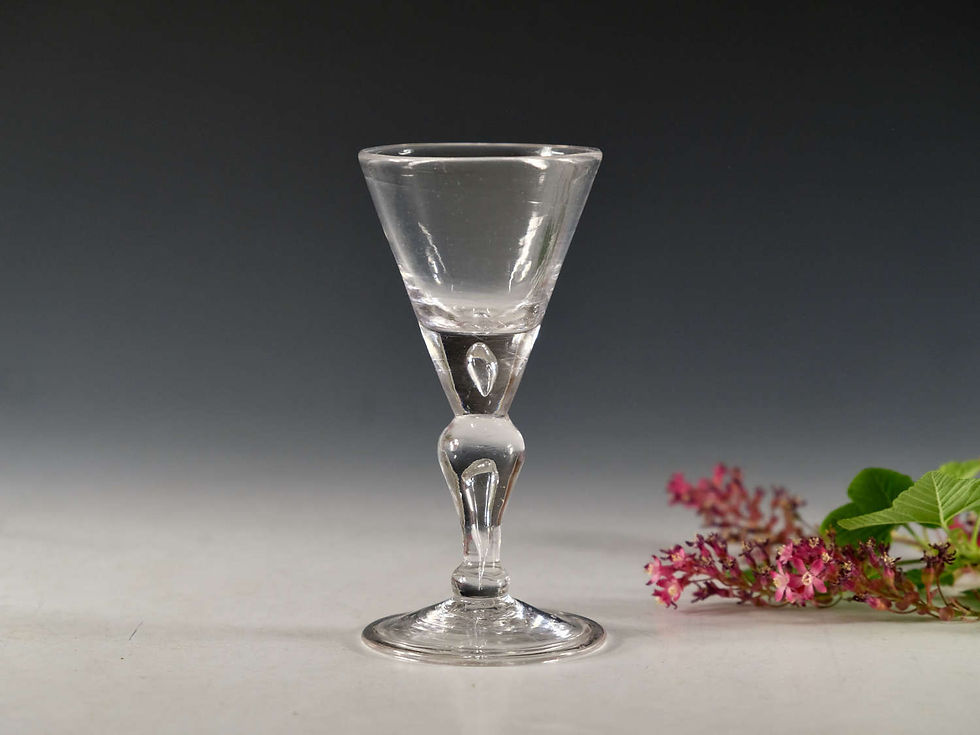
Goblets—large, elegant stemmed drinking vessels, often exceeding 10 inches—have long served as both utilitarian items and symbols of luxury or commemoration. Here’s how their form and function evolved across centuries:

🌍 A Global Legacy of Goblets
🕌 Persia (9th Century): Rare colourless goblets with wheel-cut decoration have survived to modern times.
☪️ Islamic World (13th–14th Century): Elaborate enameled goblets, many brought to Europe by Crusaders, became highly treasured artifacts.
🛶 Venice (15th–16th Century): The golden age of façon de Venise produced brilliantly colored goblets, enameled with biblical scenes and wedding motifs. With the rise of Cristallo glass, venetian luxury perfected forms with restrained enamelling, giving way to elaborate metalwork—filigree stems, graceful loops, and fantastical motifs like lion masks.

⏳From 1500s Onwards: Venetian styles were imitated across Europe, especially in the Low Countries, Spain, and Germany—often adorned with armorial emblems.
England & Ireland: Commemorative goblets, influenced by Giacomo Verzelini, featured bulbous molded stems; by mid-18th century, English lead glass goblets introduced sturdier forms, though decorative engraving and enamelling remained lavish—such as armorial goblets by the Beilbys, or Dutch-made engravings. Notable production also occurred at factories like Waterford in Ireland.
Germany: Huge Pokal goblets (10–24 inches tall) engraved for ceremonial toasting. From 1650 onward, bell goblets (bowl atop a bell-shaped base) and rarer acorn goblets (hemispherical bowl with dome cover) emerged.

Bohemia & Holland: Bohemian workshop produced multi-tiered and covered goblets; Dutch artisans adorned goblets using intricate stipple and wheel engraving on lead glass, often imported from England.

USA: German settlers introduced Pokal-style goblets via manufacturers like the New Bremen Glass Manufactory.
🏭 At Jagrat Glass, we don’t just manufacture glassware—we uphold legacies.
Inspired by centuries of cultural expression, we craft modern stemware with precision, beauty, and a deep respect for the past. From luxury hotels to global B2B brands, we bring heritage into every pour.
Let’s raise a toast—to design, durability, and the timeless allure of glass.
📩 info@jagrat.glass | 📞 +91 9999360740
#JagratGlass #GlassHistory #LuxuryGlassware #GobletsThroughTime #MadeInIndia #GlassDesign #HeritageMeetsInnovation #HistoricalCraftsmanship #GlassManufacturing #B2BExcellence #ThoughtLeadership #SustainablePackaging #IndianCraftsmanship #VenetianGlass #IslamicArt #BohemianGlass #GlasswareEvolution #GlobalGlassStory


Comments